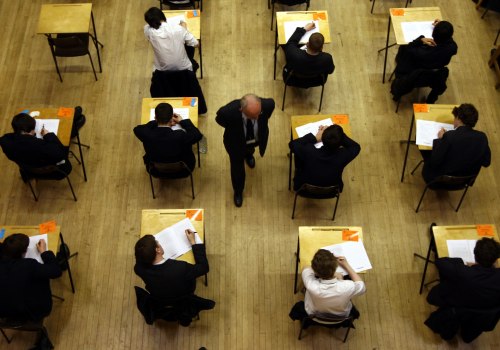
Some subjects are compulsory at the GCSE level and must be taken by all young people. The most frequently asked question about English literature and language is about which one you should pass. For most GCSE subjects, a final grade between 9 and 1 is not required, however, the exceptions are English language and mathematics. You can usually expect to take around 9 subjects at GCSE.
Mathematics, English and Science are the main subjects that everyone should take at GCSE in England and Wales. English is compulsory in all schools and so is English literature in most schools in England, but there are exceptions, so be sure to check. If you're in Wales you'll have to study Welsh. What GCSE options are required? Mathematics, English and Science are the main subjects that everyone should take at GCSE in England.
The English language is mandatory in all schools, as is English literature in most schools, but there are exceptions, so check. You can find more useful information about the English literature of gcse and how to review it in this helpful article. In short, English language and literature are equally important for studying English at Level A, but the grades requested will vary depending on where you choose to study, so always check the university or sixth grade website. This could be one of the reasons why the English language gcse is often considered more difficult than literature, even though it is “more important”.
If you are interested in studying English at level A, both language and literature are of equal importance, since many universities want both and ask for grades higher than the pass rate. While you must aim for passing grades (grades 4 and above) on all of your GCSEs, you will not be required to retake any exams other than GCSE English Language and GCSE Maths. Once again, I would like to draw your attention to this useful article, which explains the evaluation criteria of the English language and explains exactly what each question expects from you. If you are interested in studying English at level A, you may be wondering what subjects you should study well in that pair.
Ultimately, the English language is the subject you need to pass, but that doesn't make it more important than English literature, it just means that you might need to put in a little extra work. GCSE English literature has difficult content that takes a while to master, and it also depends on your communication skills. You have to study the English language, but the vast majority of schools in England require that you also take English literature. The requirements are not that you need a pass in any GCSE English subject, but that you specifically need a GCSE English language qualification.
It is worth mentioning that if there were external circumstances that prevented you from obtaining the necessary GCSE qualifications for the course, you should contact the admissions team of the university. For English literature, your review will be more traditional, as you need to learn citations, understand topics, and memorize key parts of the texts that will be examined to you. However, from an academic point of view, it is important to know that it is mandatory to pass the GCSE English Language with a grade 4 or higher.