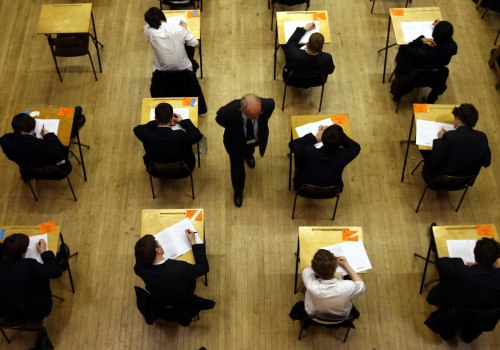
Most students will now take GCSE English Language and GCSE English Literature. These are two separate GCSE ratings. Both subjects are evaluated by examination only. Queen Mary University London also accepts alternative English language degrees for entry into undergraduate and graduate study programs.
English has been divided into two distinct and separate GCSEs; the English language and English literature. There is no longer a GCSE that combines the two. The course work no longer counts at all for the final grade. All students will take the same exam and, unlike the new GCSE for mathematics, there will be no levels.
GCSE and AS Level international language courses are not second language or ESOL courses at all. They are more like studying linguistics. Students must have a good ability in English and be fluent and capable writers. The GCSE in English focuses more on developing students' reading, writing, speaking and listening skills.
In comparison, GCSE English literature focuses more on developing knowledge and understanding of texts in prose, poetry and theater. In total, there are four different tests that must be taken in the exam room: two for English language and two for English literature. The most frequently asked question about English literature and language is which one should pass. Levels AS and A (short for Advanced Level) are a step up from GCSEs in that they provide your child with the ability to specialize in subjects that they are particularly passionate about.
Apparently, this is due to the idea that the transferable skills that the GCSE English language allows you to develop are considered more generalizable. Another advantage is that these courses are highly academic in a variety of subjects, so students arrive at university with a vast knowledge of literature and language and a very advanced ability to write well. Students who are bilingual, or who live in societies where there is an official language or several official languages, bring a wealth of knowledge and experience to class discussions, particularly when discussing the topics in Document 2, analyzing the differences between a dialect form of English and standard English and explore language change and attitudes towards various types of English. This means that if you fail GCSE English Literature, but manage to pass GCSE English Language, you won't have to take any courses in English again.
With this in mind, it could be argued that English literature is more important, since a more traditional review is necessary to obtain the best marks on the exam. The two English literature exams can focus on Shakespeare or a 19th century novel, and students will have to answer an unseen poetic question, possibly followed by a modern text. If you have taken a different English language test or qualification, this table shows the equivalent scores or grades you need to match your course's IELTS score. Language courses are about how the English language works in different situations and how the language continues to change and develop.
The language course can lead students to take language options in university English courses or even full-time linguistics courses. From the grading system to the curriculum, the new GCSE Maths program focuses more on mathematical thinking and problem solving.